
Cervical Radiculopathy (Pinched Nerve in the Neck) Specialist
Do you have a pinched nerve in your neck that is causing arm pain, neck pain and weakness? If so, you may have a spine condition called cervical radiculopathy. Cervical radiculopathy occurs when a cervical nerve root is irritated or compressed. If neck pain, arm pain, numbness, tingling, or weakness is affecting daily activities, schedule an evaluation with Dr. Andre Samuel to determine the cause of your symptoms and discuss appropriate treatment options. Dr. Samuel treats patients in the Clear Lake, Houston, and Sugar Land, Texas area, who are experiencing a pinched nerve in their neck. Contact our team today!

What is cervical radiculopathy (pinched nerve in the neck)?
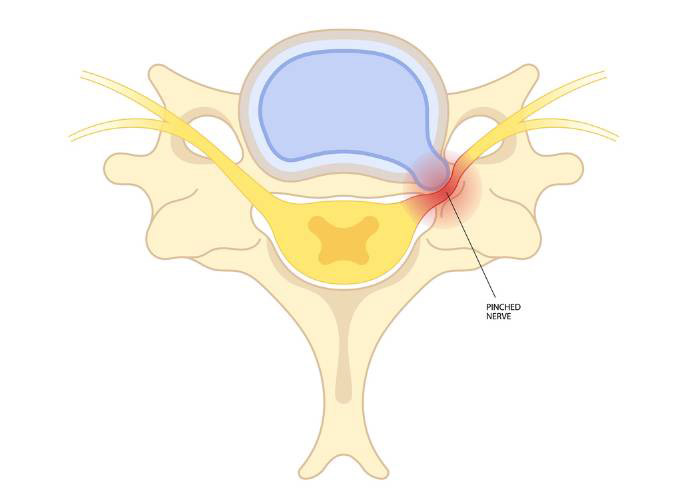
The cervical spine is made up of the first seven vertebrae in the spinal column beginning at the base of the skull. Within these bony vertebrae are nerves that carry electrical messages to all parts of the body. Cervical radiculopathy, also known as a “pinched nerve”, occurs when one of these nerves becomes irritated or compressed. This can occur with either bulging or herniated disc or from a bone spur, often caused by arthritis. This causes pain to radiate into the neck and often the shoulder blade, shoulder, and the upper extremities. While adults over the age of 50 are most at risk for developing cervical radiculopathy, a sudden and traumatic injury can cause the onset of cervical radiculopathy in anyone, at any age. Dr. Andre M. Samuel, orthopedic spinal specialist serving the Clear Lake, Houston, Sugar Land, Texas area has extensive experience and training from the nation’s top hospital for treatment of patients who have experienced cervical radiculopathy. In addition, Dr. Samuel has published extensively on the topic of cervical radiculopathy and conducted research furthering our understanding of this condition.
What causes cervical radiculopathy?
A pinched nerve is often the result of compression, by either bulging or herniated discs (the soft joints between spinal vertebral bones) or from bone spurs caused by arthritis. This can also sometimes occur as a sudden injury that damages the spinal discs or nerves. It can also occur with age as the space between the spinal discs dries out from water loss leading to a more rigid structure. The decreased flexibility in these intervertebral discs can lead to a collapse of the disc spaces or loss of height between the disc spaces. Common causes of radiculopathy include:
- Herniated discs
- Bone Spurs
- Disc-height loss
- Foraminal narrowing
- Traumatic injury
Cervical Radiculopathy Symptoms
The most common description of cervical radiculopathy is a sharp or burning pain that begins in the neck and moves into the shoulder and shoulder blade and then into one of the upper extremities. Some other common symptoms of cervical radiculopathy include:
- “Pins and needles” sensation in the hand and fingers of the affected upper arm
- Sharp, burning, or electric pain
- Pain from neck, down the arm
- Loss of upper extremity muscle strength
- Decreased sensation, numbness
- Neck stiffness that may worsen pain with movement
- Worsening balance (see a doctor right away!)
- Difficulty using the hands
How is cervical radiculopathy diagnosed?
Cervical radiculopathy is diagnosed after obtaining a medical history and performing a physical examination. Dr. Samuel will evaluate the neck and upper extremities for any signs of decreased sensation, muscle weakness, or abnormalities in the nerve reflexes. To identify the root cause of cervical radiculopathy, advanced imaging such as cervical radiculopathy magnetic resonance imaging (MRI), or nerve conduction studies may be requested.
Cervical Radiculopathy Treatment:
Non-surgical treatment:
The majority of patients with cervical radiculopathy respond well to conservative therapies. Physical therapy is often recommended as some exercises can increase neck muscle strength, alleviate pain, and improve range of motion. Non-steroidal anti-inflammatory (NSAIDs) and oral steroids can reduce some of the inflammation that may be the cause of cervical radiculopathy. Dr. Samuel may also suggest that you have targeted steroid injection to be administered directly to the affected nerve root. Some patients find relief from wearing a soft cervical collar for a short period of time and others benefit from activity modification.
When Surgery May be Recommended:
More invasive treatment may be necessary when cervical radiculopathy does not respond well to conservative treatment measures. There are a number of surgical treatment options that can be implemented for cervical radiculopathy including cervical disc replacement, cervical fusion surgery, and laminoplasty (spinal canal enlargement). Dr. Samuel will determine the best surgical procedure based on a number of factors such as current symptoms and the location of the affected nerve root.
- Cervical Disc Replacement (CDR): The herniated disc is completely removed from an incision on the front of the neck and replaced with an artificial disc that preserves motion
- Anterior Cervical Discectomy & Fusion (ACDF). The ruptured disc is completely removed from an incision on the front of the neck. The space is then filled with a bone graft that will fuse to the surrounding vertebrae. This is used for treating discs that have becoming severely arthritic.
- Posterior Cervical Foraminotomy. The cervical disc herniation is removed through a small incision on the back of the neck. The minimally invasive technique allows less injury to the surrounding muscles and preserves the remainder of normal healthy disc
- Laminoplasty: Opens and reshapes the spinal canal to create more space. This relieves pressure on the nerve while preserving neck mobility better than traditional spinal fusion.
Cervical Radiculopathy Recovery
Recovery from cervical radiculopathy is different for every patient. We find that the timeline depends on several factors, including the underlying cause of the nerve compression, the severity of symptoms, how long the nerve has been irritated. The type of treatment you receive and the patient’s overall health also plays a factor in recovery timelines. Some of our patients improve with conservative care, while others may require surgery to relieve pressure on the affected nerve.
Dr. Samuel would caution that as symptoms improve, it’s important to return to normal activities gradually. Physical therapy often plays a key role in recovery by improving neck strength, flexibility, posture, and body mechanics while reducing stress on the cervical spine. Your treatment plan should be individualized to your condition and adjusted as your recovery progresses.
Many of our patients also ask how to sleep with cervical radiculopathy. Finding a comfortable sleeping position can help reduce nighttime pain and improve rest. In general, sleeping on your back or side with proper neck support is often more comfortable than sleeping on your stomach. Stomach-sleepers risk placing additional strain on the cervical spine. Choosing the right pillow and maintaining good spinal alignment can also make a difference. Dr. Andre Samuel can provide recommendations based on your specific diagnosis and symptoms.
Regular follow-up appointments allow your progress to be monitored and your treatment plan to be adjusted as needed. If your recovery involves non-surgical care or if it requires cervical spine surgery, the goal is to relieve nerve compression, restore function, and help you safely return to your daily activities with confidence.
Related Studies by Dr. Samuel
About the Author: Andre M. Samuel, MD


